The New Rules of Digital Marketing for Talent Attraction, according to DCI’s Hanna Gbordzoe
September 01, 2026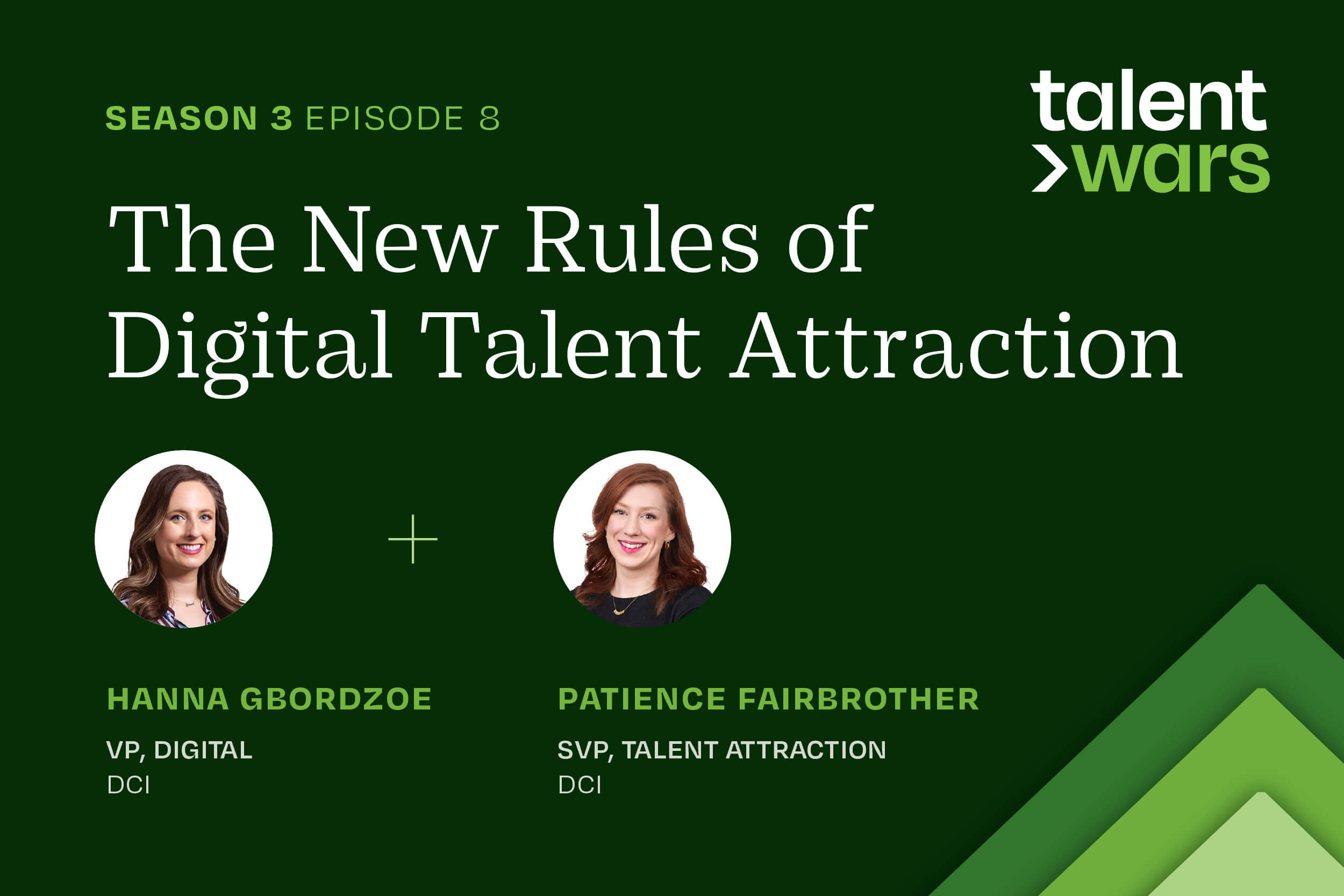
If you’re trying to attract talent to a place, you already know the digital landscape has changed fast. People are no longer just clicking through a website and making a decision. They’re seeing your community on social media, asking AI tools about it, and picking up signals from everywhere. In this conversation, Hanna Gbordzoe, vice president of digital at DCI, breaks down what’s actually working right now in talent attraction marketing—and what’s not. The big themes are clear: authenticity matters more than polish, consistency beats volume, and your digital channels need to work together if you want people to trust what they find.
Why Digital Media Matters More Than Ever in Talent Attraction
A decade ago, people might have learned about a city from a website, a brochure, or a recruiter. Today, they’re discovering places through a much messier and non-linear journey. They may see an Instagram reel, skim an AI Overview in Google, hear a coworker mention the city, and then go looking for more. Hanna points out that digital media affects people in two ways.
First, there’s the direct path: someone searches for a question in Google or ChatGPT and gets information about a place right away. Second, there’s the subconscious path: repeated exposure through feeds, algorithms, and ads shapes people’s perception of a community before someone ever visits. That’s why talent attraction can’t rely on one channel anymore.
If your audience is researching a move, they’re likely comparing multiple touch points over time. They’re not just asking, “Does this place look nice?” They’re asking, “Does this place feel welcoming, real, and like somewhere I can picture myself? “The important shift is this: people are not only evaluating your message. They’re evaluating the whole digital trail around your message. If those signals feel disconnected, stale, or overly polished, trust drops fast.
What Kind of Content Resonates With Potential Residents?
When it comes to content that actually performs, Hanna says one thing stands above everything else: authenticity. Not perfection. Not overproduced video. Not stock footage with a clever headline. Authenticity. That doesn’t mean your content needs to look rough or casual just for the sake of it. It means people need to be able to see real humans in the story. If someone is thinking about moving, they want to picture actual life there—not just an idealized version of life. Put faces behind the place.
One of the strongest points Hanna makes is that places doing well are the ones showing multiple voices and stories. That can include employees, employers, local residents and transplants sharing why they chose the community. This matters because people trust people more than they trust companies or brands. A polished city graphic might tell someone where a place is. A person talking on camera can tell them what it feels like to live there. That’s also where testimonials come in. They can feel burdensome to produce, but they often work better than expected because they create proof, not just promotion. When a real person says, “This is why I moved here,” it lowers the emotional barrier for the next person. It helps ensure content doesn’t feel like bait and switch.
Hanna also warns against showing only the best possible version of a community. If someone relocates based on a picture-perfect story and then discovers the reality is different, you’ve lost trust before they’ve even settled in. That doesn’t mean you should highlight problems. It means your content should be honest about what life is actually like. If your city is being promoted for its quality of life, your audience should still see the ordinary, relatable details that make the place feel real. Stock footage has a limited life span because it lacks specificity. The more your visuals and stories feel like “any place,” the less likely they are to help someone imagine “my place.”
The best hook is still a human one. Copy matters, but visuals usually hit first. Before someone reads the caption, they’ve already decided whether to stop scrolling. A video of a local resident speaking directly to the camera is far more likely to interrupt the scroll than a graphic with generic messaging. For talent attraction teams, that means you should spend less time trying to sound impressive and more time trying to sound like a real person. Human language wins because personal stories are what people remember.
Should You Follow Every Social Trend?
Short answer: no. This was one of the most practical parts of the conversation. Hanna’s take on trends is refreshing because it’s realistic. Social media trends can be useful, but they’re not mandatory, and they’re definitely not worth chasing if they don’t fit your organization or your bandwidth. Use trends selectively, not reflexively. The pressure to participate in every trend is real. Teams get forwarded ideas from colleagues, executives, or board members who want something posted immediately. But Hanna recommends taking trends with a grain of salt. That means asking a few simple questions before jumping in:
- Does this trend fit our place brand and our audience?
- Can we post quickly enough for it to still feel current?
- Do we actually have the time and people to do it well?
- Will this add value, or just add noise?
Timing matters here. If a trend is already a week or two old, it may not be worth forcing your way into it. By then, the moment may be over, and the result can make your brand feel late instead of relevant. Build a playbook before the pressure starts.
Hanna’s advice to small teams is especially useful: have a social media playbook. It doesn’t need to be complicated. It just needs to give you a framework for deciding what to post, what to ignore, and how to stay grounded when a new trend pops up. That kind of internal clarity protects your team from reactive content decisions. It also makes it easier to explain why you passed on something. If the answer is already in your playbook, you don’t have to renegotiate your strategy every time a new meme appears.
Not every brand needs the same social strategy. A lot of organizations assume they should behave the way they personally use social media. But Hanna points out that platform habits vary a lot by audience. Someone five years younger than you may barely touch Instagram and spend most of their time on TikTok. Another audience may obsessively check their LinkedIn notifications but ignore email newsletters, or vice versa. That’s why trend strategy should always start with audience behavior, not platform hype. Your job is not to be everywhere. Your job is to be relevant where your audience actually pays attention.
How AI, Websites, and LinkedIn Are Changing the Search Journey
AI is changing how people search, but Hanna is clear on one thing: websites are not going away. That’s a major mindset shift for teams worried about zero-click search and AI-generated answers. Yes, more people are getting information without clicking through. But that information still has to come from somewhere, which means your website still matters—a lot. Your website is still the source of truth. If AI tools and search engines are going to summarize your place accurately, they need trustworthy, current information to pull from. That means your website can’t sit stagnantly. It needs regular updates, clear signals of credibility, and fresh content that shows the place is active and well maintained. This is especially important for location marketing because AI is only as good as the sources it finds. If your site is outdated, sparse, or hard to navigate, you’re making it easier for other voices to shape the story for you. So, while zero-click search may reduce clicks in some cases, it raises the bar for quality. Your site needs to prove that it deserves to be referenced. LinkedIn is more important than many teams realize.
Hanna also makes a strong case for LinkedIn as an AI visibility channel. It’s one of the few platforms built around real identities and professional credibility, which gives it a stronger trust signal than many other social networks. That matters because LinkedIn content can influence both people and AI systems. If your organization, your employees, and your regional partners are posting consistently, you’re creating more discoverable, more credible content around your place. A lot of teams still think of LinkedIn as just a jobs board. But that’s outdated. It’s a place where stories, articles, and professional narratives can shape how a destination shows up in both search and AI-generated results. And there’s another advantage: fewer people are actively posting there than you might think. That means the platform is less crowded than it feels. If your community isn’t showing up yet, you probably haven’t missed your chance.
Hanna also mentions PlaceSuite AI, DCI’s web tool designed for economic development and talent attraction. The larger point is not the product itself—it’s the strategy behind it. If people are using AI to ask where they should live and work, you need to think about how your messaging gets pulled into those answers. The future of search is not just about ranking on Google. It’s about being findable, quotable, and credible wherever people ask questions.
How to Measure Talent Attraction Marketing Success
One of the hardest parts of place marketing is measurement. It’s easy to count impressions. It’s harder to prove that those impressions actually changed behavior. Hanna’s advice is to look beyond vanity metrics and focus on engagement quality. Start with the right engagement signals.
If a post gets a lot of views, but nobody clicks, follows, or spends time on the page, that’s a sign the content may not be reaching the right audience. The same goes for website traffic. Big numbers are nice, but they’re not the full story. Better indicators include:
- Time spent on page
- Click-throughs from ads or social posts
- Follows and repeat visits
- Engagement rate, not just reach
- Actions taken after the initial touchpoint
The goal isn’t to be seen by everyone. The goal is to be seen by the right people and make enough of an impression that they keep moving closer to a decision. Hanna also notes that social listening is becoming more important. That includes paying attention to what people say about your place on Reddit, in comments, in forums, and in other spaces where honest opinions tend to surface. This matters because people researching a move often want unfiltered feedback. They want to know what the neighborhood is really like, what the commute feels like, and whether a community actually matches its marketing. You may not be posting on every one of those channels, but you should still be listening. Social listening helps you understand perception, spot gaps in your messaging, and answer the questions people are already asking. Tell stakeholders the full story. A board or executive team may want one simple metric that proves success. In reality, digital talent marketing works as a multi-touch journey. Someone might see a post, click an ad later, search your website, and only then reach out. That means your reporting needs to reflect the funnel, not just the last click. If you can show that your audience is engaging deeply, coming back, and moving through different channels, you’re telling a much stronger story than impressions alone ever could.
The Biggest Lesson: Consistency Beats Volume
If there was one theme running through the entire conversation, it was this: consistency matters more than trying to do everything. That applies to posting cadence, website updates, social content, and audience engagement. A smaller, sustainable effort that continues over time will almost always outperform a bursty strategy that burns your team out. Hanna’s advice is simple but useful—choose a cadence you can actually maintain. That could mean posting once a week instead of every day, or publishing one blog a month instead of one a week. What matters is that your audience knows you’re active and your digital presence keeps moving. That’s also what search engines and AI tools are looking for. A regularly updated site and steady content signals credibility. A dormant one signals the opposite.
Frequently Asked Questions
How does digital media affect talent attraction? Digital media shapes both first impressions and long-term perception. People now research places through search engines, AI tools, social platforms, and peer content before they ever make a move.
What kind of content works best for place marketing? Authentic, human-centered content usually performs best. Real stories, real people, and honest visuals help potential residents imagine themselves in a place.
Should place brands use every social media trend? No. Trends should be evaluated based on fit, timing, and resources. If a trend doesn’t align with your audience or strategy, it’s okay to skip it.
Is a website still important in the age of AI search? Yes. Websites remain a core source of credible information for both search engines and AI systems. Keeping them current is essential for visibility.
What KPIs matter most for talent attraction marketing? Engagement quality matters more than raw reach. Look at time on site, clicks, follows, repeat visits, and the actions people take after engaging with your content.


Listen and subscribe to Talent Wars on Spotify or Apple Podcasts. To submit guest or episode topic ideas, email patience.fairbrother@aboutdci.com.