The Economic Development Marketer Can’t Afford to Be an Island
October 08, 2026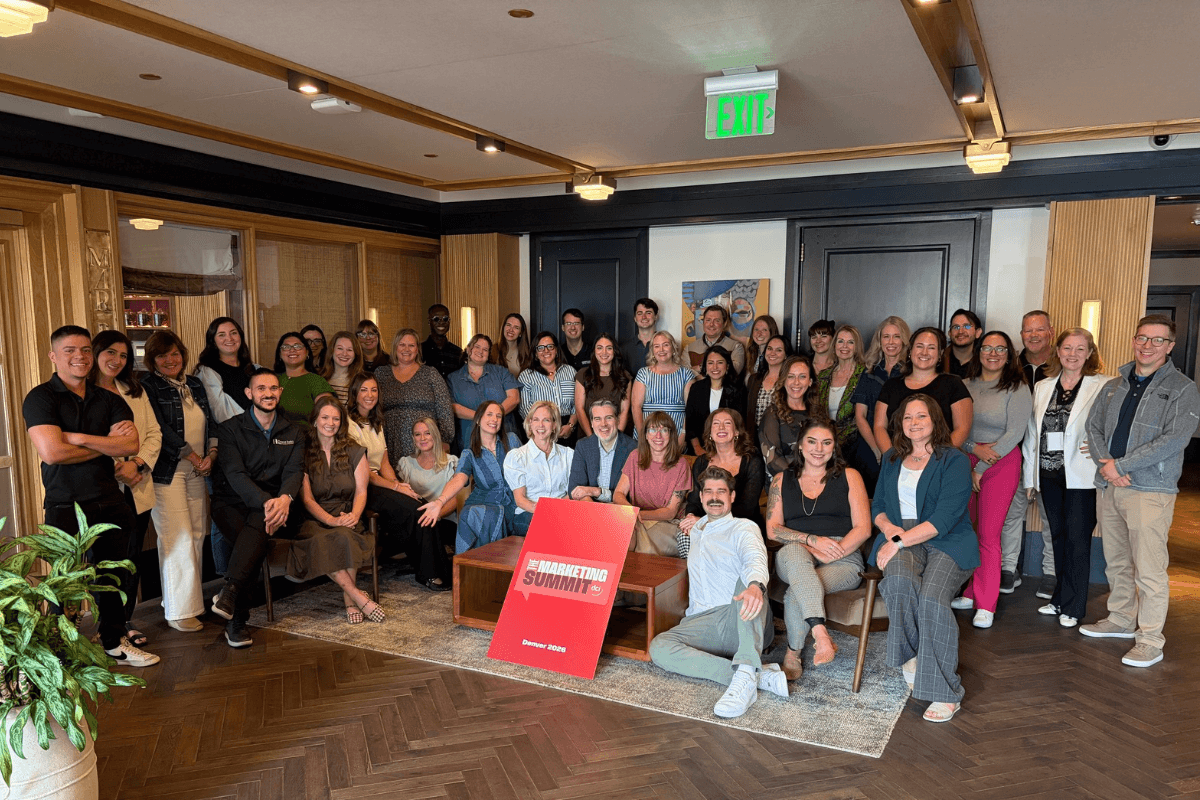
Why strategic communications needs to move upstream in economic development
I came away from a few days surrounded by economic development marketers thinking about a contradiction.
The role is becoming more strategic, but many economic development organizations (EDOs) still treat marketing as a service department. Make the PowerPoint. Promote the event. Write the press release.
Those things matter. But the questions facing economic development organizations are getting harder. How do we talk about growth when parts of the community aren’t sure they want it? How do we show progress when traditional metrics don’t tell the whole story? How do we build trust when every major project brings competing interests and more scrutiny? How do we decide what deserves our attention when the list of things we could be doing keeps growing?
Those aren’t simply marketing questions. They’re leadership questions.
After several days of conversations at the 2026 DCI Marketing Summit about everything from AI and measurement to bold creativity and major events, I kept coming back to the same thought: marketers need to be in the room when those questions are being answered.
The job is getting bigger
In one of our peer exchanges, what I heard most from marketers wasn’t about channels or tactics. It was about an expanding mandate.
How do I prove this is working? How do I keep up with AI? How do I get leadership to understand the value of marketing? And how do I do all of this with the capacity I have?
Those questions aren’t really about execution. They’re about judgment, influence and focus.
That theme ran through the whole conference, from discussions about how economic development measures success to the repeated reminder that human skills and leadership matter more, not less, in a technology-driven world.
Major moments are about focus, not promotion
In the session I moderated on maximizing major moments, we spent surprisingly little time talking about promotion. Instead, we discussed about relationships, trust and readiness.
Lou Ann Duvall from the Greater Houston Partnership made a point about Houston’s experience during the World Cup that stuck with me: when a major moment comes to your community, your EDO doesn’t have to own all of it. You need to understand who owns which piece, what role economic development can uniquely play, and where your relationships and resources can make the biggest difference.
That requires resisting the urge to be everywhere simply because something big is happening.
It’s a communications lesson, too. Strategic communication isn’t about communicating everything. It’s about understanding where communication can change an outcome.
Strategy starts before the communications
Our Executive Creative Director, Michael Mackay, approached the same idea from the creative side.
He showed page after page of business attraction advertising built around familiar ideas: connected, affordable, shovel-ready, skilled workforce. Different places. Nearly indistinguishable stories.
His argument was that distinctiveness is now a competitive requirement, not a creative preference. But bold work often becomes safe work for reasons that have nothing to do with creativity: fear of public reaction, too many decision-makers, lack of alignment and objections anticipated before anyone raises them.
His fix was simple: Problem → Criteria → Creative. Not Creative → Reaction → Debate.
That’s as much a lesson about marketing’s role as it is about approving creative. Bring marketers in when you’re defining the problem, not just when you’re choosing what the answer looks like.
AI raises the stakes
AI was, unsurprisingly, everywhere in our conversations. I’m lucky to spend my workdays surrounded by marketers debating what’s changing and what actually matters, and for two days, I got to widen that circle. I heard smart people talk about how they’re using AI, how they’re rethinking measures of success, and how they’re navigating opposition and NIMBYism in their own communities.
It reinforced something I’ve been thinking about for a while. AI will make producing marketing easier. It can draft copy, summarize research, analyze information and build first drafts.
That doesn’t make marketers less valuable. But it does change where our greatest value lies: understanding an audience, recognizing when data tells an incomplete story, connecting dots, knowing when a message is technically accurate but won’t land, and building trust.
AI can help us make more things. The bigger opportunity is helping our organizations decide what’s worth saying and doing in the first place.
Why it matters beyond campaigns
Think about some of the hardest conversations happening in communities right now: housing, data centers, infrastructure, incentives, development opposition and the value of economic development itself.
As so many attendees described with the NIMBY pushback in their own communities, an EDO can have every fact and still lose the conversation. Data doesn’t interpret itself.
Someone has to understand what different audiences are hearing, acknowledge legitimate concerns, put the facts in context, and build a narrative people can understand. If communications teams are brought into the fold only when someone says, “We need messaging around this,” it is too late.
The same goes for measurement. As the field reconsiders what progress means, marketers shouldn’t wait to be handed new KPIs. We can help determine what evidence will be credible, what the numbers tell us, and how to communicate progress honestly.
Get marketers off the island
At a gathering of economic development marketers, nobody has to explain why this work matters. Then, everyone goes home, and too many return to being the lone marketer, or with only a small marketing team, inside an organization built around something else.
The opportunity isn’t to argue that marketing deserves a bigger seat. It’s to show that strategic communication is part of how modern economic development gets done.
The future of economic development marketing isn’t about doing more marketing. It’s about bringing the marketer’s perspective to more of the work that matters.