Curtin Call: October 2025
October 31, 2025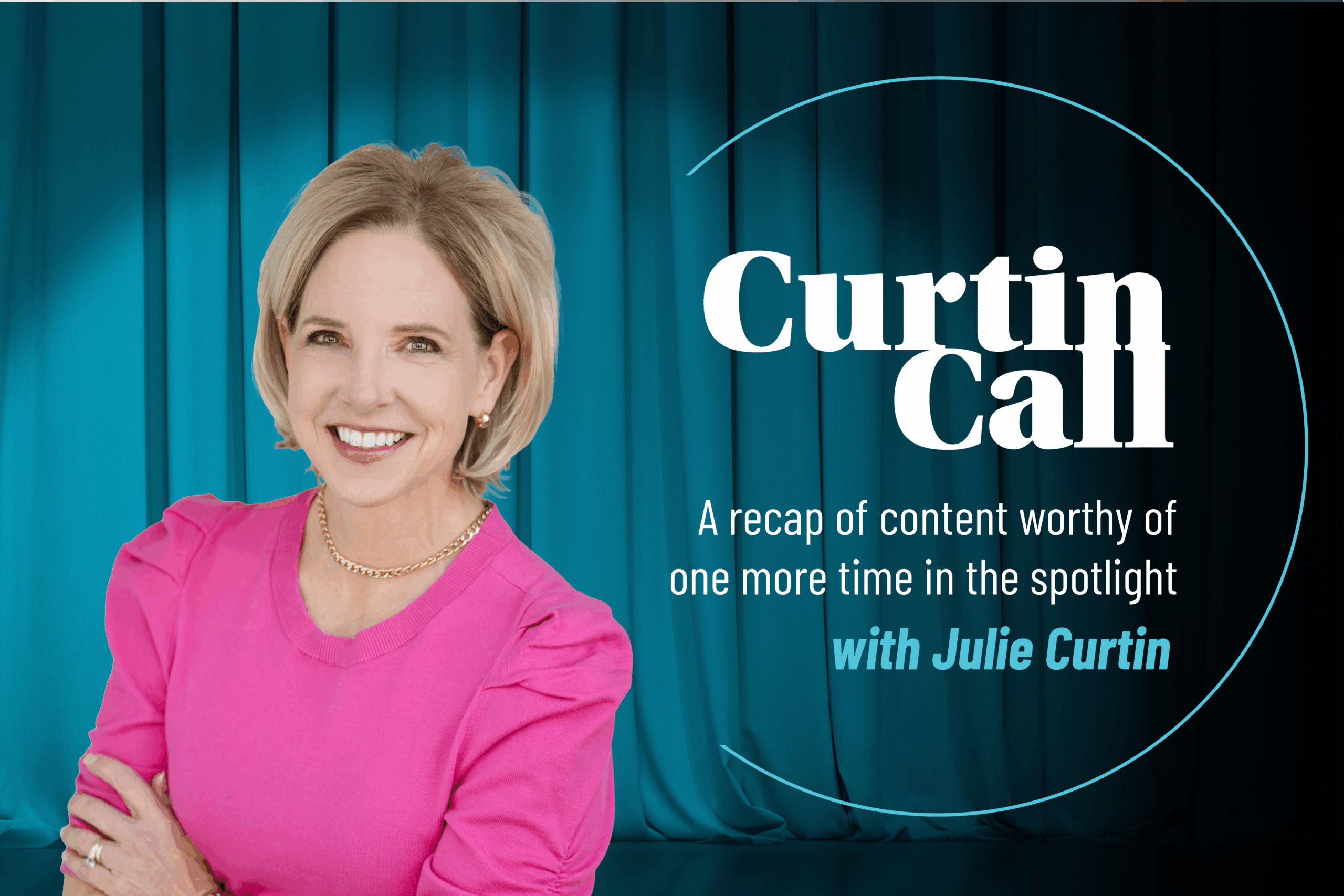
As we enter the last quarter of the year (how!?), I can’t help but reflect on some of the major challenges and themes we’ve seen arise in 2025. This year has been a whirlwind of innovation, adaptation and resilience, from communities grappling with demographic shifts to cities reinventing themselves through placemaking. We’ve watched technology reshape infrastructure needs, seen creative approaches to housing emerge and witnessed how quality of life continues to be the cornerstone of economic competitiveness.
These stories remind us that while the landscape of economic development is constantly evolving, the heart of our work remains the same: building places where people and businesses can thrive. And since this edition lands on Halloween (and my birthday!), it only feels fitting to highlight stories that are all about reimagining and celebrating a community’s uniqueness. Here’s what caught my eye in the month of October:
On Turning Data Center Revenues into Affordable Homes
Data centers are often seen as massive, energy-hungry facilities, but what if they could also help solve one of our most pressing challenges: housing. While these tech hubs consume significant resources, they generate substantial tax revenues. Forward-thinking jurisdictions are reimagining how those dollars are used, channeling them into affordable housing projects. This Urban Institute article highlights examples where local governments are transforming tech-driven growth into tangible community benefits.
This approach flips the narrative; data centers aren’t just infrastructure; they can be catalysts for inclusive development. It’s a powerful reminder that placemaking isn’t only about parks and public art; it’s about rethinking how every asset, even a server farm, can contribute to a more equitable and vibrant future.
On Turning a Hospital Redevelopment into Affordable Housing
Buffalo is converting a former hospital into 80 affordable housing units, addressing both housing shortages and the challenge of vacant institutional properties. The project preserves community heritage while meeting critical social needs, illustrating the power of adaptive reuse.
For economic developers, this trend highlights the value of reimagining obsolete assets. Repurposing underutilized buildings not only revitalizes neighborhoods but also supports inclusive growth. Combined with the Urban Institute article, it reinforces a theme: housing solutions are increasingly tied to creative redevelopment strategies.
On the Revitalization of Bricktown, Oklahoma City
Bricktown is emerging as a vibrant entertainment and innovation hub, blending historic character with modern amenities. The article showcases how strategic investment in walkability, cultural assets and adaptive reuse has transformed the district into a magnet for residents and visitors alike.
This evolution offers a blueprint for placemaking success. Communities seeking revitalization can learn from Bricktown’s approach: leverage heritage, invest in experience-driven spaces, and create environments that foster both economic activity and social connection. It’s a reminder that placemaking is not just aesthetic; it’s an economic strategy.
On Population Decline and Economic Implications
Declining birth rates and slowing population growth are reshaping labor markets and consumer demand. This NPR article explores how these demographic trends could affect economic systems, from workforce availability to long-term growth prospects.
For practitioners, this is a call to action. Talent attraction, immigration strategies and automation readiness will become critical priorities. Placemaking efforts that enhance quality of life, such as vibrant downtowns and affordable housing, will be essential in competing for a shrinking workforce. Demographics may be destiny, but proactive planning can change the trajectory.
On Turning Parental Leave into a Business Strategy
In this interesting Fast Company article, a parental leave expert discusses why companies are no longer viewing parental leave as just a personal milestone—they’re treating it as a business event. The article highlights a major shift: organizations are investing in pre-leave planning, return-to-work support and manager training to ensure longer paid leaves are sustainable.
Since DCI is a women-owned agency, this evolution resonates deeply. We know that equitable policies like parental leave are not just perks, they’re essential for creating workplaces where women and caregivers can thrive without sacrificing career growth. Robust parental leave benefits everyone: it keeps more people in the workforce, reduces turnover, and makes communities and employers more competitive in attracting talent.
On Embracing a Place’s Unique Identity
Sleepy Hollow, New York, embraced its spooky heritage by officially changing its name from North Tarrytown in the 1990s, a bold branding move that continues to pay dividends.
Today, the town thrives on seasonal tourism and cultural identity tied to Halloween lore. This story illustrates how creative branding and storytelling can transform a community into a destination, reinforcing the power of placemaking and narrative in economic development.
If you’re unable to access any of the articles due to a paywall, feel free to reach out to me at julie.curtin@aboutdci.com — I’m happy to share a gift link.