The Power of Social Search: How to Meet Your Audience Where They Are
November 18, 2025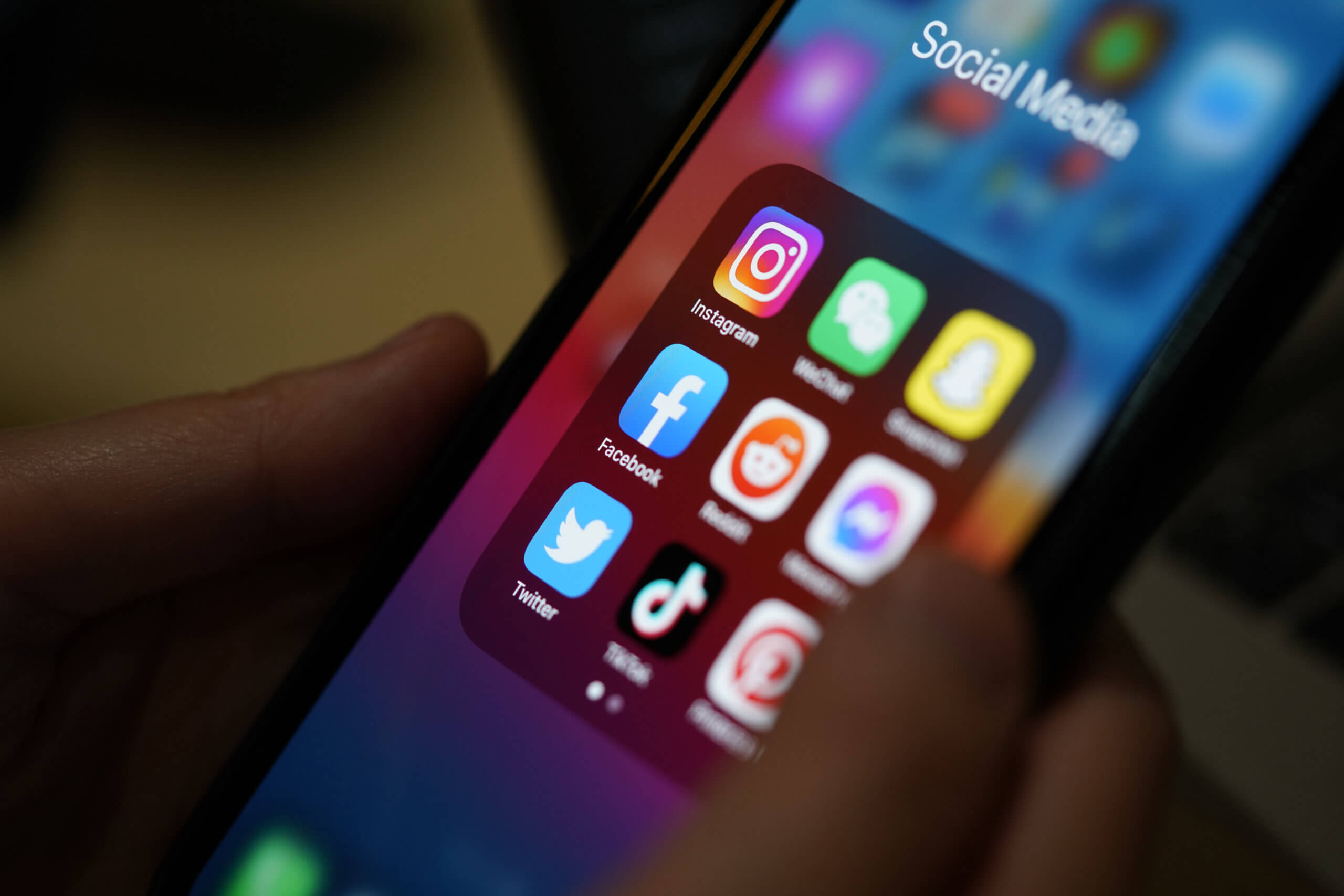
We’re experiencing a seismic shift in how people discover information, make decisions and connect with places and brands — and it’s a change powered by social search.
Think about the last time you opened Instagram, LinkedIn, TikTok or Pinterest to figure out where to travel and how to pack for a trip, or where to move and find a job. That’s social search in action.
Social platforms have evolved far beyond mindless scrolling and vacation photo dumps; they’re now powerful search engines in their own right. Every day, more people are turning to these channels instead of traditional search engines like Google to find answers, recommendations and authentic experiences. In fact, nearly one in three consumers report skipping Google altogether in favor of platforms like TikTok, Instagram or YouTube, according to research from Sprout Social.
For destination marketing organizations (DMOs), economic development organizations (EDOs) or places looking to attract business, talent or visitors, the message is clear: If you’re not showing up where your audience is searching, you’re missing out on opportunities that your competitors are already capitalizing on.
Here’s why social search matters and how you can make the most of it:
Why Is Social Search So Important Right Now?
Put simply, social search is not just a trend that will fade in a few months or a year. That’s like saying smartphones are just a fad. It’s changing the way people find and access information, and the numbers back it up:
- 67% of U.S. consumers are using social media’s search features. That means people aren’t just scrolling anymore; they’re actively searching for answers, ideas and inspiration without leaving their favorite apps.
- Nearly half of Gen Z (46%) and over a third of Millennials (35%) actually prefer searching on social media over Google. While Google is far from being dethroned as the dominant search engine, it’s certainly getting a lot more competition these days. Your audience is looking for real, relatable content on platforms where they already spend their time.
- Half of all social media users turn to these platforms to learn about brands or check out their content. For anyone in economic development, talent attraction, or tourism, that’s a massive opportunity to get in front of people who are already searching for what your community has to offer.
Why Social Search Matters for Economic Development, Tourism and Talent Attraction
Social search is transforming the way organizations in every sector connect with their audiences. Here’s what that looks like in practice:
Economic Development
Site selectors, investors and business owners are searching for specific terms like “logistics hubs near California” or “Nevada business incentives” on LinkedIn and other platforms. If your posts and bios include relevant keywords, you’re more likely to be discovered in those results. Additionally, including links in your posts to your organization’s own optimized website pages can help boost cross-channel discoverability.
Tourism
Travel decisions often start with daydreams and discoveries on social media. Platforms like Pinterest, Instagram and TikTok are where travelers go for inspiration and itinerary ideas, with 35% of consumers reporting they prefer to use social media first to find things like local restaurants and activities. If your content doesn’t include searchable keywords, location tags and rich alt text, it risks being buried. Repurposing long-form content (like top-ten lists or guides) into Reels, carousels or native articles with optimized keywords and tags can extend your reach.
Talent Attraction
Job seekers and career switchers are searching for lifestyle-aligned career options on Instagram, TikTok and LinkedIn. An Instagram Reel showing what it’s like to live and work in your community can appear in their searches and plant a seed before they ever hit Google. Mirroring keywords from your website and paid campaigns in your social content increases the chances your message will reach the right people.
How to Optimize for Social Search
Think of social search as the intersection of traditional SEO and social media algorithms. Here’s what matters:
- Text: Use relevant keywords in captions, bios and headlines.
- Tags: Leverage strategic page and partner mentions, brand hashtags and topics with search in mind.
- Tech: Optimize metadata, accessibility (alt text, PDF tags), link previews and filenames.
Best Practices:
- Write for humans first—make your content clear, concise and engaging. (That means no keyword stuffing!)
- Include geographic specificity, fully spell out program names and leverage data and proof points to strengthen your positioning.
- Use strong, search-friendly calls to action (e.g., Explore [region’s] workforce development programs).
- Always tailor your message to your target audience.
Collaborate for Success
The real magic happens when your SEM (Search Engine Marketing) and social media teams work side by side. Instead of operating in separate worlds, imagine what’s possible when everyone’s on the same page, sharing keyword insights, brainstorming content ideas and ensuring messaging is consistent everywhere your audience might search.
When you use complementary keywords and topics across integrated marketing efforts, you create a seamless experience for your audience. Plus, all those likes, shares, and comments on social? They can send positive signals that help boost your content’s searchability, too.
Ready to make your place’s content discoverable? Start thinking like your audience and optimizing every post for search on social and beyond. Contact Director of Social Media, Lina Lintemuth at Lina.Lintemuth@aboutdci.com to get started.